


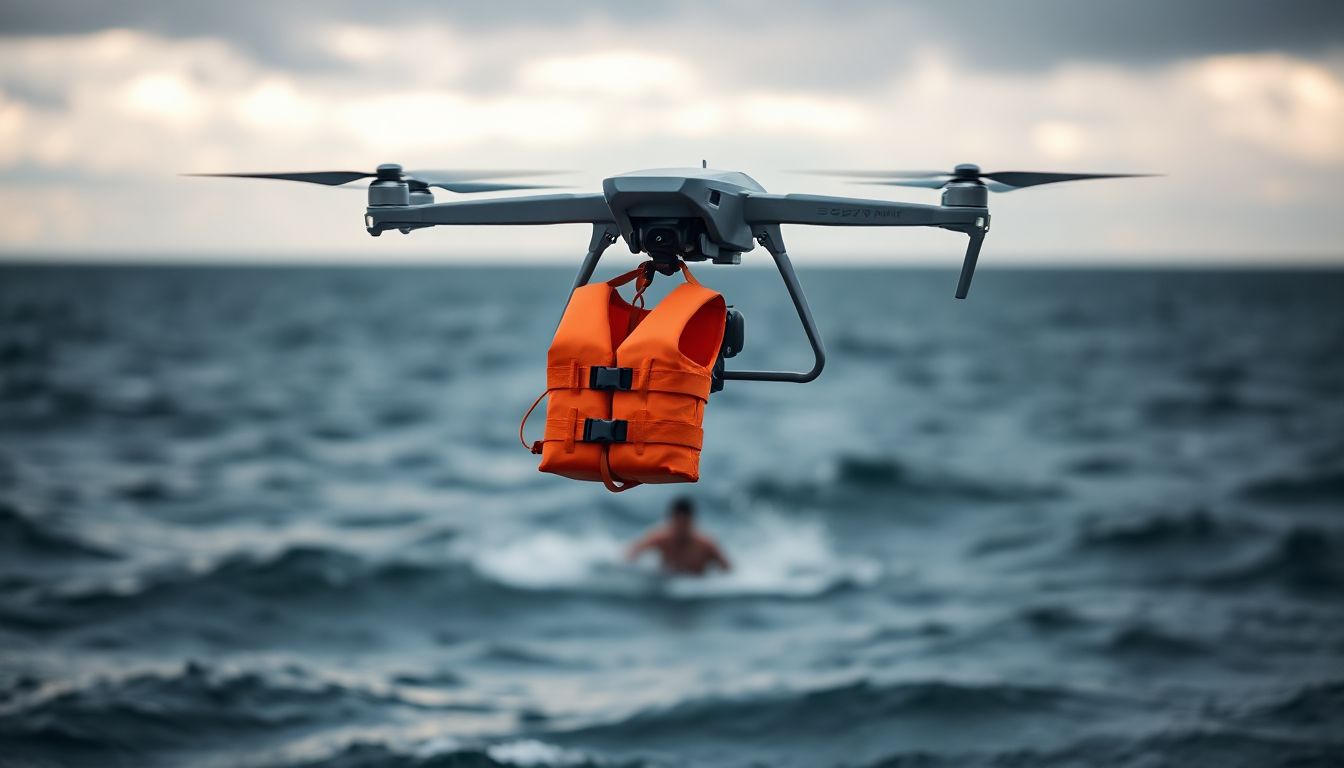
Revolutionising Water Safety: How Drones Could be Delivering Life Vests in Rescue Operations
The tragic reality of drowning incidents underscores a critical need for rapid intervention. Traditional rescue methods, while vital, can face challenges in reaching victims quickly. This is especially true in difficult terrain or open water. Such delays often lead to devastating consequences, highlighting the imperative to explore innovative solutions. These solutions must significantly reduce response times. The increasing accessibility and advanced capabilities of drone technology now present a powerful opportunity to address this pressing challenge.
The advent of specialised drones capable of carrying and deploying essential lifesaving equipment, such as life vests, offers a ground breaking approach to water rescue. This technology promises to bridge the gap between an incident occurring and a victim receiving crucial flotation support. It could potentially turn the tide in countless near-fatal situations.


The Rise of Drone Technology in Emergency Response
Evolution of Drones and Their Capabilities
Drones have transformed greatly in recent years. Their design now focuses on robust flight and greater carrying power. Battery life has extended, allowing for longer missions. These technical jumps make them ideal for crucial rescue tasks.
Increased Payload Capacity

Modern rescue drones can carry heavier loads than earlier models. This means they can easily transport life vests and other safety gear. Engineers design these drones to handle the weight and shape of a life vest without losing stability. This increased capacity is vital for successful aerial delivery.
Enhanced Navigation and Autonomy
Advanced navigation systems guide rescue drones with great precision. GPS technology helps them reach exact locations, even in tough conditions. Artificial intelligence (AI) assists in obstacle avoidance. This ensures drones fly safely to those in need, avoiding dangers like trees or power lines.

Extended Flight Times and Range
Improvements in battery technology have given drones longer endurance. They can now stay in the air for extended periods. This expanded flight time is crucial for covering large search areas. It also ensures they can remain on station until help arrives or the vest is successfully delivered.
Why Drones are Ideal for Water Rescue
Drones offer distinct advantages over older rescue techniques. They bring speed and flexibility to water-based emergencies. Their unique abilities make them game-changers for saving lives.
Speed and Accessibility
Drones reach people in water distress much faster than boats or ground teams. They can quickly fly over obstacles like rough terrain or thick vegetation. This speed is especially critical in remote rivers or flooded areas where access is tough. Rapid deployment gets flotation to a victim in vital seconds.
Cost-Effectiveness and Efficiency
Using drones for initial support can reduce the overall cost of rescue operations. They act as a first response, buying time for human rescuers to arrive. This improves the efficiency of rescue teams. It also ensures resources are used wisely during an emergency.
Real-time Situational Awareness
Many rescue drones come fitted with high-definition cameras. These cameras provide live video feeds to incident commanders on the ground. This real-time view helps teams assess the situation instantly. They can make better strategic decisions about how to proceed with the rescue.
Life Vest Deployment Systems: A Lifeline from the Sky
Designing for Effective Deployment
Integrating life vests with drones requires careful engineering. The systems must ensure the vest is delivered safely and effectively. Design choices greatly impact how well a drone performs its rescue task.
Mechanisms for Secure Attachment and Release
Life vests need to be securely attached to the drone during flight. Various mechanisms allow for this, such as magnetic locks or spring-loaded clamps. These systems must also permit a controlled and reliable release. The drone operator can deploy the vest precisely over the person needing help.
Aerodynamic Considerations for Payload
The shape and size of the life vest, and its packaging, affect the drone’s flight. Designers consider how the payload will interact with air currents. This ensures the drone remains stable and efficient during its mission. Proper balance and a streamlined design are key.
Environmental Robustness
Rescue drone systems must withstand harsh conditions. They need to work reliably in wind, rain, and varying temperatures. Components must be waterproof and corrosion-resistant. This ensures the deployment mechanism functions correctly every time, no matter the weather.
Types of Drone-Deployed Life Vests
Not all life vests are suitable for drone deployment. Special designs and features are often needed. These innovations make aerial delivery more effective and safer.
Inflatable vs. Non-Inflatable Devices
Rescue teams can deploy both pre-inflated and inflatable life vests. Pre-inflated vests offer immediate buoyancy upon impact with water. Inflatable vests are more compact for transport. They either inflate automatically on water contact or by a remote trigger from the drone operator.
Specialised Rescue Devices
Innovations include self-righting flotation devices. These ensure the vest always turns upright when in the water. Some vests also feature integrated signalling capabilities. They might include bright lights or GPS trackers to help locate the person in distress after deployment.
Lightweight and Compact Designs
For drone transport, life vests must be as light and small as possible. This maximises the drone’s flight time and range. Manufacturers often use advanced materials to achieve these goals. Smaller vests also make them easier to attach and release from the drone.
Real-World Applications and Success Stories
Case Studies in Drone-Assisted Water Rescues
Drones have already proven their value in various water rescue situations. These examples show how the technology is making a real difference. They highlight the practical impact on safety.
Drowning Prevention at Beaches and Lakes
Lifeguard services in many coastal areas now use drones for patrols. They can quickly fly to swimmers in distress far from shore. The drone can drop a flotation device, giving the person critical support. This buys precious time for human lifeguards to reach them.
Rescues in Rivers and Floodwaters
During flash floods or heavy river currents, reaching victims quickly is nearly impossible. Drones have been deployed to assist people trapped on rooftops or in fast-moving water. They can deliver life vests or small ropes. This provides a temporary lifeline until a full rescue can happen.
Maritime and Coastal Incidents
For individuals who have fallen overboard from boats, drones offer a quick response. They can locate the person in open water and drop a life vest. This is especially useful when traditional search vessels are still en route. It offers immediate aid in vast ocean environments.
Expert Insights and Testimonials
Professionals in rescue and drone technology share a positive outlook. They see the growing potential of these aerial tools. Their experiences highlight the efficacy of drone deployment.
Perspectives from First Responders
Firefighters, coast guard personnel, and lifeguards commend the technology. They often state drones provide an invaluable first line of defence. One rescue worker noted drones allow for “eyes in the sky and a helping hand from above.” This gives victims a fighting chance earlier than before.
Innovations from Drone Manufacturers
Drone companies actively develop specialised rescue systems. They focus on stronger frames and smarter release mechanisms. Many foresee a future where every rescue service has a fleet of drones. These units will stand ready for water emergencies.
Challenges and Considerations for Implementation
Regulatory and Operational Hurdles
Integrating drones into rescue protocols comes with certain challenges. These include legal, logistical, and ethical considerations. Navigating these issues is crucial for widespread adoption.
Airspace Regulations and Permissions
Operating drones for emergency services involves strict rules. Obtaining permits for flight in restricted airspaces can be complex. Rescue teams must adhere to aviation laws. They must also gain quick permissions during urgent rescue operations.
Training and Skill Requirements for Operators
Piloting rescue drones effectively needs specific training. Operators must be skilled in navigation, payload release, and emergency procedures. They need to handle drones safely in high-stress, unpredictable situations. Extensive practice is essential for this critical role.
Public Perception and Privacy Concerns
Some members of the public might feel uneasy about drones. Concerns over privacy are common. Rescue services must address these worries transparently. Explaining the life-saving purpose can help build trust within communities.
Technical and Environmental Limitations
Practical constraints and environmental factors affect drone operations. These limits need careful consideration. They can impact a drone’s ability to complete its mission.
Weather Dependency
Extreme weather conditions pose a significant challenge for drones. High winds, heavy rain, or thick fog can ground a rescue drone. These conditions affect flight stability and visibility. Such factors can delay vital response times.


Battery Life and Range Limitations
Current battery technology still imposes limits on drones. Their operational radius and duration can be restricted. This means they cannot always cover very large areas or stay airborne for many hours. Improving battery performance remains a key area for development.
Maintaining Line of Sight and Signal Strength
Operators must often keep drones within their line of sight. This ensures stable communication and control. Over long distances or in environments with many obstructions, maintaining a strong signal is hard. This could lead to a loss of control during a rescue.
The Future of Drone-Enabled Water Safety
Advancements in Drone Technology and AI
Looking ahead, new developments will further enhance drone capabilities. These innovations promise even more efficient and widespread use in water rescues. The technology continues to advance at pace.
Swarm Technology for Wider Coverage
Imagine multiple drones working together in a coordinated way. This “swarm” technology could cover vast search areas much faster. It could also provide redundancy if one drone encounters an issue. This approach promises greater search efficiency.
AI-Powered Target Identification and Tracking
Artificial intelligence will soon allow drones to identify people in water autonomously. They could then track movements without human input. This would greatly speed up search efforts. It would also reduce the workload on human operators.
Integration with Wearable Technology
Future drones might interact directly with smart devices. They could link to smartwatches or other wearables on people in distress. This would allow for automatic drone dispatch. It could also help guide drones to exact locations.
Expanding the Role of Drones in Lifesaving
Beyond just life vests, drones are set to play a broader role. Their ability to carry items makes them versatile tools. They can deliver many different forms of aid.
Delivering Medical Supplies and Communication Devices
Drones could soon carry small first-aid kits or emergency communication devices. These items could reach stranded individuals quickly. Such aid could be critical for survival while awaiting human rescuers.
Search and Rescue Augmentation
Drones will increasingly work alongside human rescue teams. They can scan areas from above, guiding ground teams to hotspots. This improves search patterns and provides critical overhead information. It makes human efforts more targeted and effective.
Prevention and Education Initiatives
Drones might also monitor water conditions, identifying strong currents or dangers. They could even broadcast safety messages to beachgoers. This would help educate the public about water risks. It would also contribute to proactive drowning prevention.
Conclusion: A New Era of Water Rescue
The integration of drones for delivering life vests represents a significant leap forward in water safety. By offering unparalleled speed, accessibility, and a novel method for immediate flotation support, this technology holds the potential to dramatically improve survival rates in drowning incidents. While challenges related to regulation, technology, and training remain, ongoing advancements and successful real-world applications point towards a future where drone-assisted rescues become a standard component of our lifesaving infrastructure. Embracing these innovations is not just about adopting new tools; it’s about fundamentally enhancing our ability to protect lives where seconds truly count.


Recent Comments