

The Bob Graham Round is a legendary test of endurance. It asks a runner to conquer 42 summits, traverse 106 miles, and climb 27,000 feet of ascent within 24 hours. Drone filming the Bob Graham Round offers a way to document this intensity against the backdrop of the rugged Lake District fells. Ground-level cameras can capture the strain on a runner’s face, but only a drone can reveal the scale of the isolation and the sheer vastness of the terrain they must overcome.
1. Understanding the Bob Graham Round and its Filming Potential
The Challenge Unveiled
The Bob Graham Round is a rite of passage for fell runners. The route, established in 1932, is a punishing loop of high peaks. Runners face unpredictable weather, rough underfoot conditions, and severe sleep deprivation. The feat requires more than just fitness; it demands deep mental strength. Successful completion in under 24 hours places an athlete among a small group of elite mountain runners.
Why Drone Filming is Essential
Using a drone changes how you tell this story. You can capture wide, sweeping vistas of the fells that are impossible to reach on foot. A drone allows you to track a runner across exposed ridgelines, showing their small form against a massive backdrop. This creates a visual contrast between human frailty and the power of the mountains. Drone footage adds a professional edge to any documentary or personal video of a round.
Target Audience and Content Goals
You are filming for fellow runners, outdoor enthusiasts, and documentary fans. Your primary goal is to show the scale of the challenge while celebrating the beauty of the region. Good footage informs the audience about the technical difficulty of the terrain. It also inspires them by showing what the human body can achieve when pushed to its limits.
2. Essential Drone Gear and Preparation
Choosing the Right Drone
You need a machine that handles the volatile Lake District weather. Wind resistance is the most critical factor for mountain flight. Smaller drones may struggle in gusts, so look for a model with high wind stability and good sensor data. The DJI Mavic or Air series are solid choices because they fold down small for long treks up steep mountains. When choosing your drone, check the specs for maximum wind speed resistance.
Essential Accessories
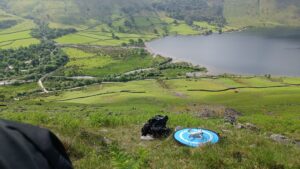
Batteries drain faster in cold air, which is common on high summits. Bring at least four fully charged batteries and a portable power bank. Carry a set of neutral density (ND) filters to control your shutter speed in bright, harsh light. You will also need extra propellers and a lightweight landing pad, as the ground in the Lake District is rarely flat or clean. Keep everything in a rugged, weather-proof case to protect it from knocks.
Pre-Flight Checks and Safety Protocols
Always inspect your aircraft before takeoff. Check the motors, battery clips, and camera gimbal for signs of wear. You must follow the laws set by the Civil Aviation Authority (CAA). Be aware that National Parks have specific rules about where you can take off and land. Always keep the aircraft in your sight and maintain clear communication with the support team to ensure you do not fly over the runner unexpectedly. Learn some basic drone video tips to improve your framing and safety before you head out.
3. Drone Filming the Bob Graham Round: Navigating the Landscape
Understanding Airspace and Regulations
Flying in a National Park requires extra caution. While the right to roam applies to hikers, it does not grant you the right to fly drones wherever you want. Check for temporary flight restrictions or exclusion zones that might be active during the weekend of the attempt. Always respect the solitude of other hikers and avoid disturbing wildlife. Being a responsible pilot is the best way to keep these locations open for future filming.
Identifying Key Filming Locations
Some sections of the route provide better visual results than others. The summits offer the best panoramic views, but they are also the windiest spots. Focus on the steep, technical descents and ascents where the runner’s movement is most dramatic. The “Tongue” descent on Helvellyn is a classic, visually striking section that tells a great story of the technical difficulty involved. Use the runner’s planned support points as your base for battery swaps and takeoff.

Weather Considerations and Drone Performance
The Lake District is notorious for its fast-changing weather. Wind speed is your biggest constraint; if it exceeds your drone’s limit, do not fly. Rain is another major issue, as most consumer drones are not waterproof. If heavy mist or fog rolls in, keep the aircraft on the ground to avoid losing sight of it. Cold temperatures will also reduce your flight time, so monitor your battery levels closely.
4. Capturing the Bob Graham Round: Filming Techniques
Establishing Shots and Wide Vistas
Use high-altitude shots to show the network of fells the runner must navigate. A slow, wide-angle pull-out shot can reveal the vastness of the valley below as the runner crosses a col. This helps the viewer understand the sheer scale of the 106-mile route. Ensure your movements are slow and smooth to avoid jittery footage. Start your shot from a stable, high point to get the best view of the landscape.
Tracking and Following the Runner
Active tracking is useful, but manual control is better for technical terrain. Follow the runner from the side or slightly in front to show their direction and effort. Change your angle frequently to avoid repetitive shots. Practice flying your drone with a moving subject in a safe field before the day of the attempt. This helps you get comfortable with keeping a steady frame while moving through three dimensions.
Dynamic Angles and Creative Shots
Move beyond standard tracking shots to keep the edit interesting. Try flying low and fast over rocky outcrops to add a sense of speed. Capture the runner’s interactions with their support team to add a human element to the story. You can also set the drone to hover and record a time-lapse of the changing clouds over the peaks. These shots add texture to your final edit.
5. Post-Production and Storytelling
Editing for Impact
A good edit matches the pace of the run. Use slow, sweeping shots for the long, arduous climbs and faster, more dynamic cuts for the technical descents. Combine your drone footage with ground-level shots to create a balanced perspective. Color grade your footage to ensure a consistent look, as the light can change significantly during a 24-hour effort. Keep the focus on the runner’s struggle and eventual success.
Adding Context and Narrative
Drone footage is powerful, but it needs context. Use short interviews or voiceovers from the runner to explain their motivation and the physical challenges they face. Maps and graphic overlays can show the runner’s position on the route, which helps viewers understand the complexity of the BGR. Pair your visuals with sound design that captures the atmosphere of the mountains, such as wind noise or the sound of feet on loose rock.
Distribution and Sharing
Once your edit is complete, share it where your audience hangs out. YouTube is ideal for high-resolution, longer-form content. Use Instagram or TikTok to share shorter, punchy clips that highlight the best drone shots. Post your video in fell running groups and forums to reach enthusiasts who understand the weight of the achievement. Optimize your video title and description for search engines to help more people find your work.
Conclusion
Filming the Bob Graham Round with a drone is a challenging but rewarding project. It allows you to document an incredible human feat in one of the most beautiful places in the UK. Success relies on your ability to plan for the unpredictable weather, obey strict safety regulations, and fly with creative intent. When you combine technical skill with a clear narrative, you can create a piece of work that truly honors the intensity of the round. Your footage will show the world the scale of the challenge, turning a long day in the mountains into a cinematic story.


Recent Comments